Why Visit Central Europe Now?
Central Europe has quietly become one of the smartest travel choices in the world. From most European cities, you're looking at roughly three-hour flights to Prague, Vienna, Budapest, Krakow, or Warsaw—short enough for a long weekend, easy enough for a proper two-week adventure. For travelers coming from North America or Asia, these cities work beautifully as a connected multi-stop trip, with distances between capitals measured in hours, not days.
The value proposition is hard to ignore. Compared to Western European capitals, you'll often spend 50% less on everything from accommodation and meals to museum tickets and local transport. A fantastic dinner in Budapest might cost what a basic lunch would in Paris. A boutique hotel in Prague can match the price of a budget chain in London. This isn't about cutting corners—it's about stretching your budget without sacrificing quality or experience.
Central Europe also works year-round in ways many regions don't. Winter transforms cities into wonderlands of Christmas markets, with Vienna and Prague leading the charge in atmospheric squares filled with mulled wine and handcrafted gifts. Summer brings outdoor festivals, river cruises, and long evenings in beer gardens and rooftop bars. Spring and fall offer the best of both worlds: mild weather, fewer crowds, and lower prices across the board.
- Accessibility: ~3-hour flights from most of Europe, excellent connections globally
- Affordability: Costs often 50% lower than Western Europe without compromising quality
- Year-round appeal: Christmas markets in winter, festivals in summer, shoulder-season calm
- Seamless travel: One of Europe's best rail networks, plus flexible Eurail passes
With so much value packed into such an accessible region, the natural next question becomes: where exactly should you base yourself?
Best Hotels By City
Central Europe offers exceptional accommodation value across every budget level. Whether you're backpacking solo, traveling as a couple, or managing a family itinerary, you'll find quality options that won't dominate your daily spend.
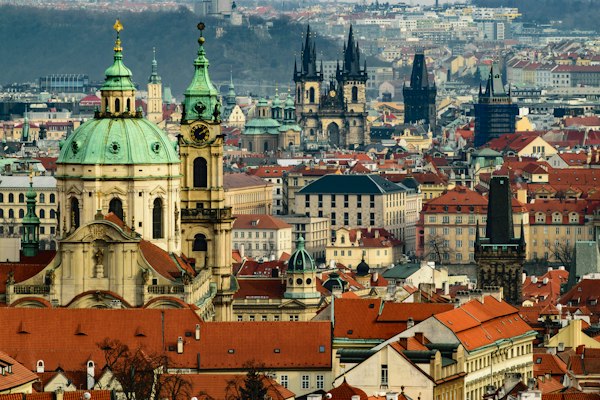
Prague
Prague remains one of Europe's best-value capitals for accommodation. Budget hotels and hostels start around $45/night, particularly in neighborhoods like Žižkov, Vinohrady, and Karlín.
Mid-range and boutique hotels typically run $120–$150 per night. Many offer seasonal promotions up to 15% off.
From $45/night Book Prague Hotels Now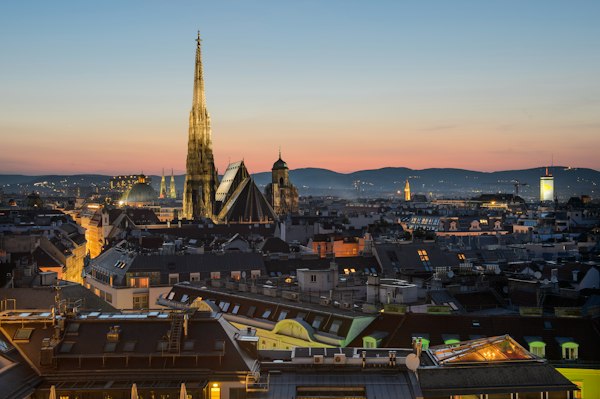
Vienna
Vienna carries an elegant reputation without requiring an elegant budget. Value-focused hotels start around $80–$100 per night, close to U-Bahn stations.
Boutique and historic hotels in the $150–$200 range offer memorable experiences in restored Gründerzeit buildings.
From $80/night Book Vienna Hotels Now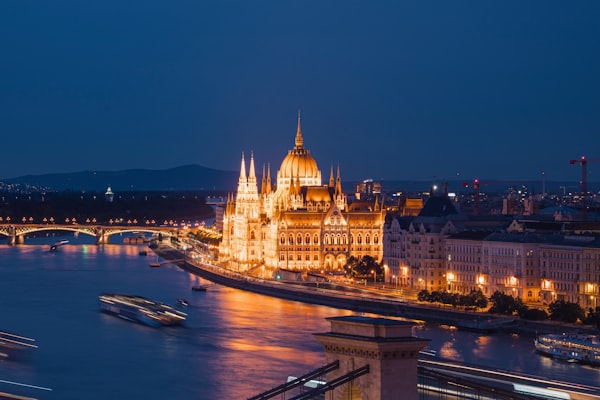
Budapest
Budapest is a favorite among budget-conscious travelers. Hostels and guesthouses are plentiful, with private rooms in central locations surprisingly affordable.
Mid-range hotels punch above their weight in District V and District VII—both central, safe, and full of dining options.
From $45/night Book Budapest Hotels Now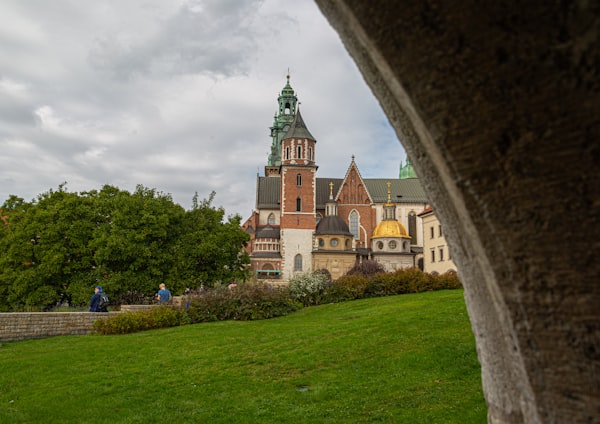
Krakow
Krakow offers exceptional value with charming Old Town guesthouses and modern hotels. The historic center is compact and walkable, making location less critical.
Expect $50–$120 per night for quality stays within walking distance of major sights.
From $50/night Book Krakow Hotels Now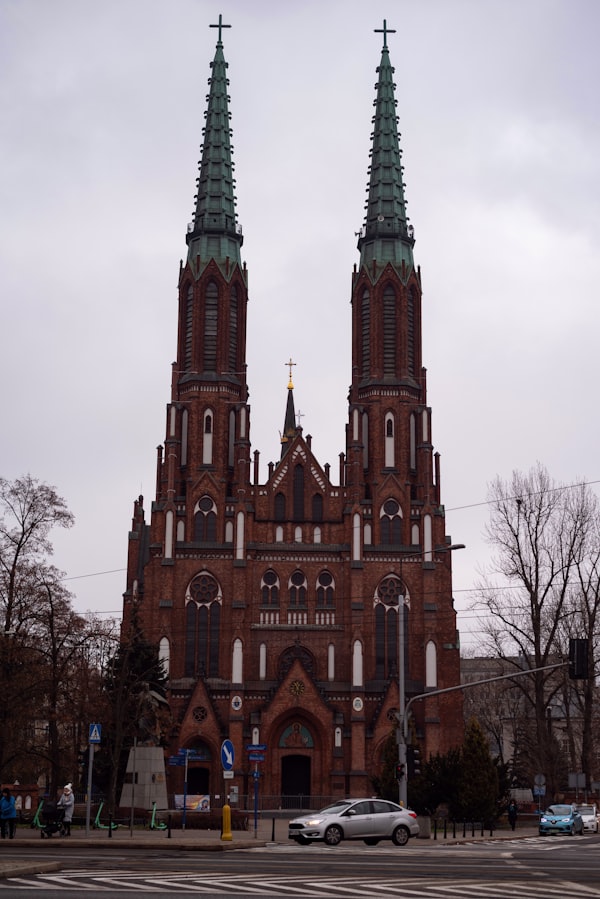
Warsaw
Warsaw blends history with modern energy. Hotels near the reconstructed Old Town or business district offer great value, starting around $55–$130 per night.
Public transport is excellent, so staying slightly outside the center is a smart budget move.
From $55/night Book Warsaw Hotels NowAirport Transfers Guide
All major Central European airports are well-connected to their city centers, with options to suit every budget and comfort preference.
Typical Travel Times
- Vienna International Airport (VIE): 20–30 minutes to city center
- Prague Václav Havel Airport (PRG): 30–40 minutes
- Budapest Ferenc Liszt Airport (BUD): 30–40 minutes
- Krakow Airport (KRK): 20–25 minutes
- Warsaw Chopin Airport (WAW): 25–35 minutes
Transfer Options Compared
🚗 UberX: Around $25 – Good value, reliable, widely available in all cities
🚙 Uber Comfort: Around $35 – More space, newer vehicles, ideal for longer flights
🚐 Private Transfers: Around $45 – Best for families, early arrivals, stress-free pickups with name signs
Public buses and trains are cheaper (typically $2–$5), but after a long flight—especially with luggage or kids—many travelers find the small premium for rideshares or private transfers well worth the convenience and speed.
Trains & Eurail
Traveling between cities by train is fast, scenic, and comfortable. Trains run frequently, stations are centrally located, and journeys often take less time than flying once you factor in airport procedures.
Typical journey times:
- Prague → Vienna: ~4 hours
- Vienna → Budapest: ~2.5 hours
- Prague → Krakow: ~7–8 hours (or fly)
- Budapest → Krakow: ~10 hours (consider night train or fly)
A Eurail pass makes sense if you're visiting three or more cities and want flexibility. For shorter trips, booking point-to-point tickets 2–3 months in advance often delivers the best prices.
Top Guided Tours By City
While Central Europe is easy to explore independently, strategic use of guided tours can add context, save time, and unlock experiences you'd likely miss on your own.
Historic City Centers
Prague and Vienna are visually stunning but historically dense—what looks like beautiful architecture often carries layers of political, cultural, and artistic significance a guidebook can't fully capture.
Prague Castle is vast and often crowded. A guided tour helps you navigate the complex efficiently, skip long ticket lines, and understand the stories behind St. Vitus Cathedral, Golden Lane, and the Old Royal Palace. Tours typically last 2–3 hours.
Vienna's Ringstrasse is one of Europe's grandest boulevards, lined with imperial buildings, monuments, and parks. Walking or tram-based tours explain the architecture, the Habsburg legacy, and the cultural institutions that define Vienna today.
- Skip-the-line access at major sights
- Historical and cultural context you'd otherwise miss
- Efficient use of limited time in each city
Danube River Cruises
The Danube River is the visual and emotional heart of both Budapest and Vienna. Short sightseeing cruises are an easy, relaxing way to see these cities from a fresh perspective—and they're surprisingly affordable.
What to expect:
- Best time: Sunset or early evening, when monuments are illuminated
- What you'll see: Hungarian Parliament, Buda Castle, Chain Bridge (Budapest); riverside palaces and vineyards (Vienna)
- Options: Budget sightseeing cruises (~1 hour) or dinner cruises with live music
Jewish Quarter Walking Tours
In Krakow and Prague, Jewish Quarter walking tours are among the most meaningful and educational experiences available. These tours focus on history, culture, and remembrance, typically led by knowledgeable local guides.
What sets them apart:
- Respectful, informative storytelling rooted in scholarship
- Visits to historic synagogues, cemeteries, memorials, and former ghetto streets
- Essential context for understanding Central Europe's complex 20th-century history
These tours are not rushed. They typically last 2.5–3 hours and are suitable for families with older children or teens. Many travelers describe them as the highlight of their trip.
7-Day Perfect Itinerary
This itinerary balances iconic sights with realistic travel times and breathing room. It's designed for first-time visitors who want to see highlights without feeling rushed.
Day 1 – Arrive in Prague
Fly into Prague and settle into your hotel. Take an evening walk through Old Town Square and across Charles Bridge as the sun sets. Sleep in Prague.
Arriving in Prague? Book your hotel near Charles Bridge
Day 2 – Prague
Morning guided tour of Prague Castle and St. Vitus Cathedral. Afternoon at leisure—explore Lesser Town, grab lunch in a traditional beer hall, or relax in a riverside café. Optional evening classical concert. Sleep in Prague.
Day 3 – Prague to Vienna
Morning train to Vienna (approximately 4 hours). Arrive by early afternoon, check into your hotel, and take a stroll along the Ringstrasse. Evening dinner in a traditional Viennese tavern. Sleep in Vienna.
Day 4 – Vienna
Morning visit to Schönbrunn Palace or the MuseumsQuartier. Afternoon coffee break at a classic Viennese coffeehouse—order a melange and Sachertorte. Evening walk through Naschmarkt or along the Danube Canal. Sleep in Vienna.
Day 5 – Vienna to Budapest
Short morning train to Budapest (about 2.5 hours). Arrive by early afternoon, check in, and rest. Evening Danube river cruise to see the city illuminated—Parliament and Buda Castle are stunning after dark. Sleep in Budapest.
Day 6 – Budapest
Full day exploring Buda Castle, Matthias Church, and Fisherman's Bastion in the morning. Afternoon in the Jewish Quarter—visit the Great Synagogue and explore the ruin bars. Evening soak in one of Budapest's thermal baths. Sleep in Budapest.
Day 7 – Budapest
Final morning for shopping at the Great Market Hall, revisiting a favorite neighborhood, or squeezing in one last museum. Depart from Budapest Airport or continue your journey onward.
💡 Alternative extension: Add 2–3 days and continue to Krakow (short flight or overnight train from Budapest) to visit the Old Town, Wawel Castle, and Auschwitz-Birkenau Memorial.